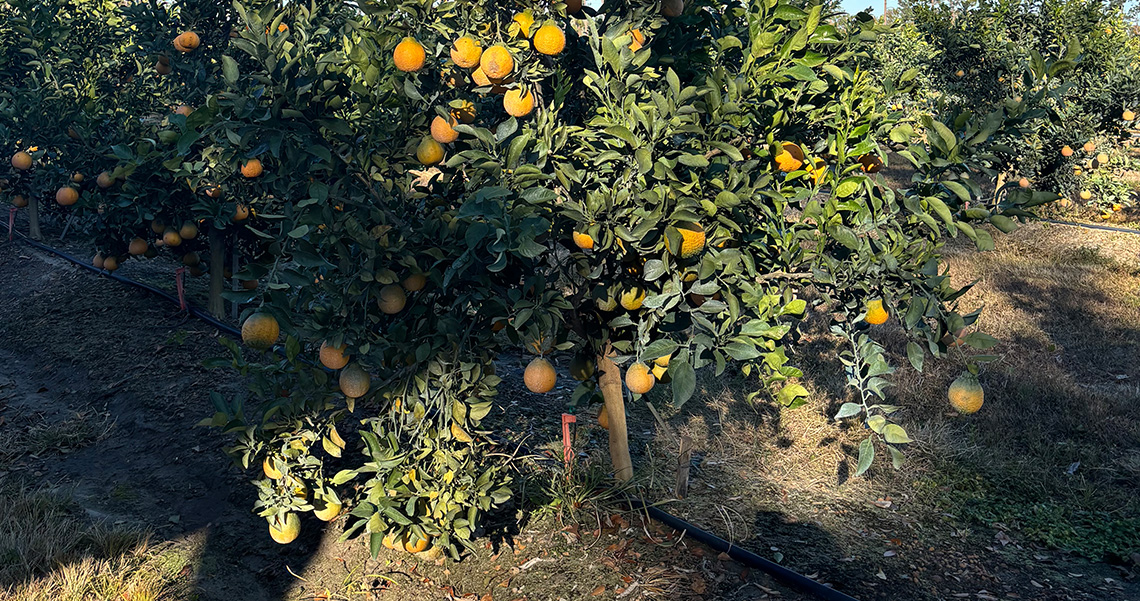
Selecting the right orchard irrigation system is a key decision that impacts tree health, water efficiency, and long-term productivity. Two of the most common options are drip irrigation and micro-sprinkler systems. Each offers distinct advantages depending on crop type, soil conditions, and management goals.
Drip irrigation delivers water directly to the base of each tree through emitters that apply water at a single point. This method is highly efficient, minimizing evaporation and runoff. It is particularly effective in regions with limited water supply or in soils where precise moisture control is required. Drip systems also work well for fertigation, allowing nutrients to be delivered directly to the root zone with minimal waste.
However, drip irrigation wets a relatively small area of soil. In orchard settings, this can limit root expansion, especially as trees mature. To compensate, growers may need to add additional emitters over time, which can increase system complexity and maintenance.
Micro-sprinkler systems, often referred to as micro-jet irrigation, distribute water over a larger wetted area. This broader coverage encourages more uniform root development and better soil moisture distribution. For crops like citrus, pecans, and apples, where root systems expand significantly, micro-sprinklers provide a more adaptable solution.
Another advantage of micro-sprinklers is flexibility. Spray patterns, flow rates, and wetted diameters can be adjusted as trees grow, allowing a single system to support both young and mature orchards. These systems are also beneficial for additional applications such as cooling and frost protection, which drip irrigation cannot provide.
From a design perspective, micro-sprinklers are often more forgiving in variable soils, as they reduce the risk of localized dry spots. Pressure compensating options further improve uniformity in orchards with elevation changes or long row lengths.
The primary tradeoff is water efficiency. Because micro-sprinklers wet a larger surface area, there is slightly more evaporation compared to drip systems. Proper scheduling and system design are essential to minimize these losses.
Ultimately, the choice between drip and micro-sprinkler irrigation depends on your orchard’s specific needs. Drip irrigation offers maximum water efficiency and precise control, while micro-sprinklers provide better soil coverage, flexibility, and support for long term tree growth. A well-designed system, regardless of type, will deliver uniform water distribution and support consistent orchard performance.
At TriEst Ag Group, we provide growers with expert irrigation design, automation installation, and high-quality components, backed by decades of experience.
Ready to upgrade your irrigation system or learn what a well-designed irrigation system can do for your orchard? Contact us at https://triestag.com/contact-us/ today.